The Quiet Rule Change: How Proxies Became Normal at Commander Night
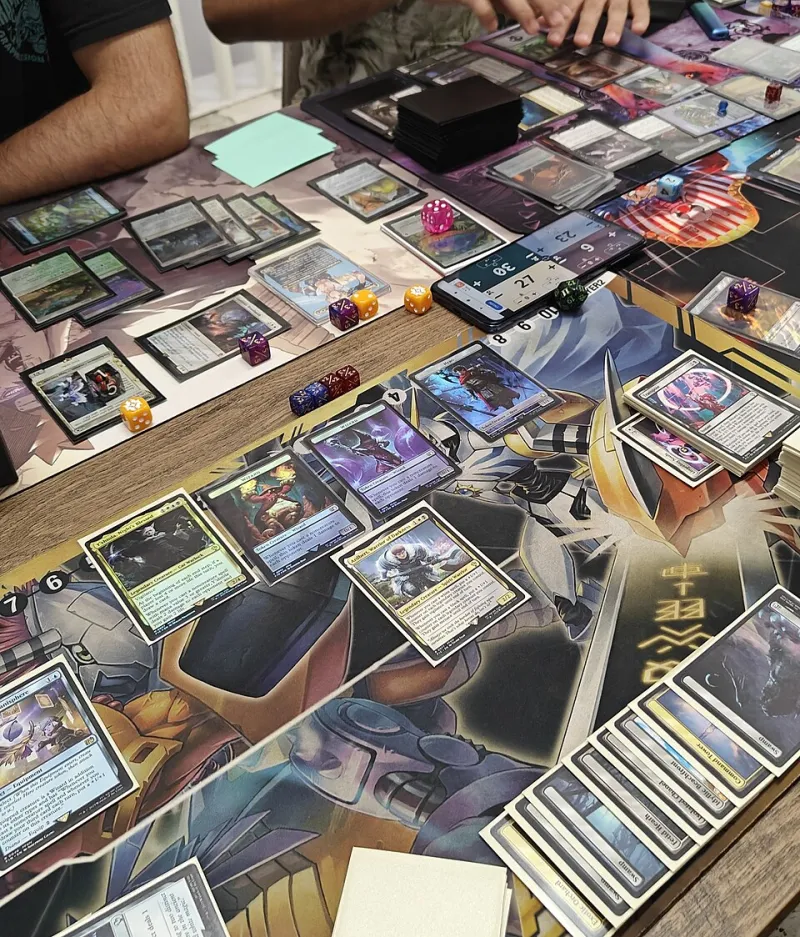
Photo: Pitbark, CC BY 4.0, via Wikimedia Commons
At a Tuesday Commander night in 2026, a player sits down, fans out a deck, and says the sentence that used to start arguments: 'Just so everyone knows, the expensive stuff in here is proxied.' Nobody gasps. The pod nods. Someone asks if the proxies are marked. The game starts.
That scene is not universal. Plenty of stores still ban proxies outright, and plenty of players still dislike them. But the old taboo — the one that treated every fake card as a moral failure — has softened. Commander is expensive, new players keep arriving, and the format's social contract has had to grow up. The result is a messy, local, table-by-table negotiation about budget, access, and fair play.
The taboo did not vanish; it moved
For years, proxies lived in the shadows. A player might slide a few into a casual deck, but the cards were rarely discussed in the open. Counterfeits were a different problem entirely: fake cards passed off as real in trade binders or online sales. That is fraud, full stop, and it still deserves the community's anger.
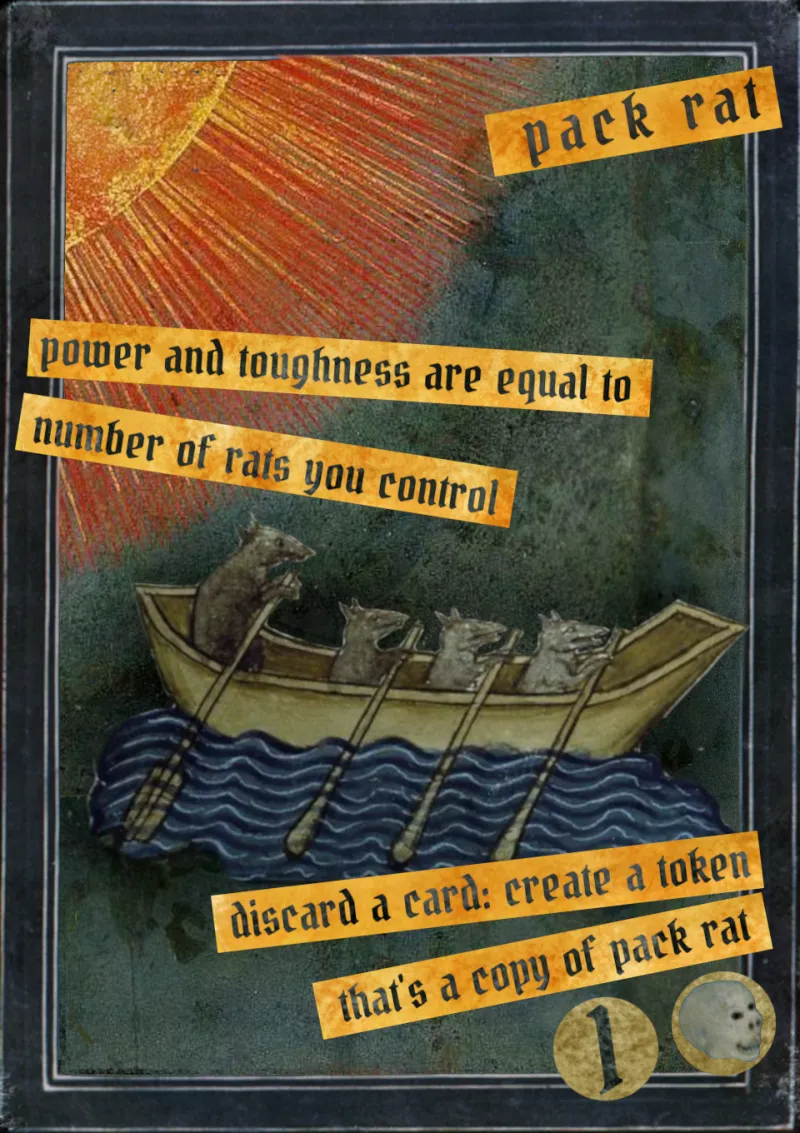
What has changed is the middle ground. A playtest proxy is not a counterfeit. It is a stand-in — often a basic land with 'Mana Drain' written in Sharpie, or a clear proxy with different art and a label. It is not being sold. It is not being traded. It is there so a player can test a deck, play a game, or avoid spending $80 on one piece of cardboard before deciding if the deck is fun.
Most Commander groups in 2026 can live with that. The line that matters is intent and disclosure.
Counterfeit sales vs. playtest proxies
The distinction is simple enough that every playgroup should say it out loud:
- A counterfeit is a card designed to fool a buyer. Selling one, trading one, or slipping one into a binder is fraud. It damages trust and hurts stores.
- A playtest proxy is an obvious stand-in. It is marked, it is not for sale, and everyone at the table knows it is there.
That second category is where the social contract lives. A proxy should not be used to hide a card's identity or to inflate a trade. It should not be used to pubstomp a table of preconstructed decks. And it should not become a way for a player to avoid supporting a store that provides the space, tables, and chairs.
But a proxy should also not be treated as a personal attack on the game. If a player owns one real copy of a card and proxies it into three decks, most casual tables shrug. If a player is testing a $700 mana base before buying, most tables shrug. The shrug is the point.
The four questions every table should answer
The proxy conversation gets easier when it happens before the first mulligan. In practice, four questions cover most of it:
- What is the table's proxy policy? Not the store's policy — the pod's preference for this game. Some groups allow any proxy. Some allow proxies only for cards a player owns. Some allow none.
- What power level are we playing? A proxy-laden cEDH deck at a casual table is a mismatch, not a proxy problem.
- Are the proxies obvious? Marked, in different sleeves, or printed with a clear label. Do not make people guess.
- Is anyone uncomfortable? If someone is, the table should switch decks or switch pods. No one owes anyone a game under protest.
That last question is the one people skip. The goal is not to win the proxy debate. The goal is to have a good game with the people across the table.
Table-talk scripts that actually work
Most players are not great at bringing up proxies without sounding defensive. Here are a few lines that keep the tone casual:
- If you are the proxy player: 'Heads up — this deck has marked proxies for the expensive lands. None of them are real, and I am not trading them. Is that cool with everyone?'
- If you are hosting: 'Our table is fine with obvious proxies, but no counterfeits and no proxies in trade binders. We also ask that everyone match power level before we start.'
- If you are uncomfortable: 'I would rather play without proxies tonight. No judgment — I just want to keep this pod at the level we agreed on. Can we adjust decks instead?'
- If you are a store owner or organizer: 'Proxies are allowed at casual tables if they are clearly marked. They are not allowed in sanctioned events or trade binders. Ask a staff member if you are unsure.'
Notice what those scripts do not do: they do not accuse, and they do not pretend the issue is invisible. They put the information on the table before the game does.
When 'no proxies' is the right answer
There are good reasons a table or store says no. Sanctioned events need real cards. Prize-supported events need a level playing field. Some players collect and want to play against real cards. Some stores survive on singles sales, and a proxy-friendly policy can undercut that.
None of those positions are unreasonable. The problem is when 'no proxies' becomes 'you do not belong here.' A new player who shows up with a proxied deck is not automatically a cheapskate or a scammer. They might be testing the format, or they might not have $300 for a mana base this month.
The 2026 social contract is not 'proxies are always fine.' It is 'be honest about what is in your deck, respect the table, and do not use proxies to skip the conversation.'
The bottom line
Proxies are not the end of Commander, and they are not a moral failing. They are a tool, and like any tool they depend on how people use them. The taboo is fading because the format's biggest barrier is no longer mystery — it is money. The tables that handle it best are the ones that talk about it early, keep counterfeit cards out of trade binders, and remember that the goal is a good game, not a victory in a debate about cardboard.