Your Cube Is a Guest List: Designing a Draft Night People Actually Show Up For

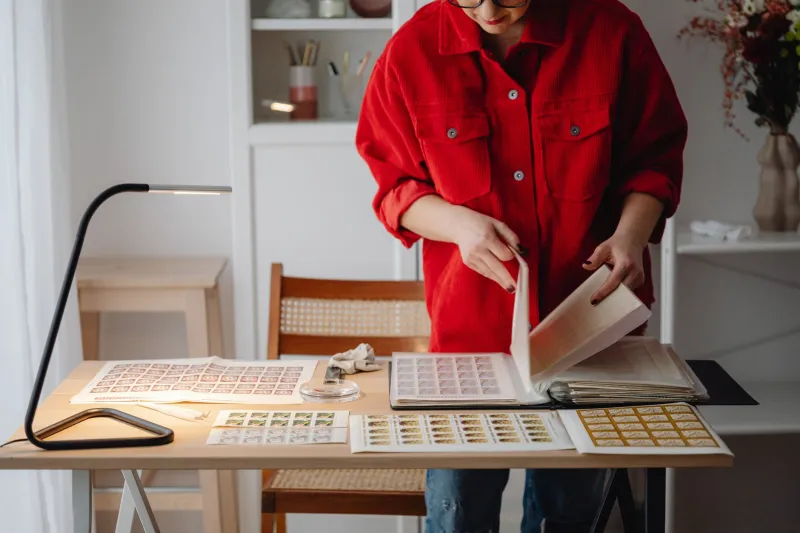
Photo: Jules Verne Times Two, CC BY-SA 4.0, via Wikimedia Commons
Every cube starts the same way: with a pile of cards you love and a vague feeling that they would be fun together. Six months later it is 900 cards, half of them unplayed, and nobody wants to draft it because the last three sessions ended in a turn-four scoop. The problem almost never is the card pool. It is that the curator built a collection and called it an environment.
Think of your cube as a guest list. You are not showing off who you know. You are deciding, in advance, what kind of evening eight people are going to have. That reframing solves most of the hard decisions before you make them.
Start With the Guest List, Not the Card List
Before you sleeve a single card, answer three questions in writing:
- Who is drafting this? If half your pod has been playing since high school and half learned from Arena last year, your environment has to be friendly to both. That does not mean dumbed down. It means legible.
- How long is a session? Three rounds of 40-card, 360-card-cube drafting runs about three hours with deckbuilding. If your group has kids or early shifts, build for two rounds and a smaller pool.
- What is the emotional target? Do you want grindfests where the third game comes down to topdecks, or splashy nonsense where somebody ultimates a planeswalker on turn six? Both are valid. Pick one.
Write the answers on an index card and tape it inside your cube box. It sounds precious. It also stops you from buying a card at 11 p.m. that contradicts everything the box stands for.
Say Your Power Level Out Loud
The single most common cube failure is a power level nobody agreed on. A curated list with original duals, fast mana, and free spells plays nothing like a pile of modern-era uncommons, and players who show up expecting one and get the other will quietly stop coming.
Pick a lane and label it. Roughly, cubes fall into three buckets:
- Powered or high-power: fast mana, cheap tutors, game-ending two-card combos. Rewards deep format knowledge, punishes loose keeps.
- Unpowered but optimized: strong rares, no fast mana, no free interaction. This is where most home cubes actually live, and it is the sweet spot for mixed groups.
- Restricted or themed: a block cube, a rarity-limited cube, a set-flavored cube. Lower ceiling, higher novelty.
Then put the label in your group chat invite. Nobody is insulted by honesty about power level. Plenty of people are insulted by a turn-two combo they could not have interacted with.
The Beginner Framework: 360 Cards, Five Colors, Ten Archetypes
If you are building your first cube, resist the urge to be clever. A 360-card cube supports eight drafters and is small enough to actually learn.
The skeleton:
- 360 cards total, split roughly 60 per color in a mono-color core, plus 60 artifacts, lands, and gold cards.
- Ten two-color archetypes, two per color pair, each with roughly 15 to 20 supporting cards. That is not a hard rule — overlap is your friend — but it gives every drafter a lane.
- Fixing at 10 to 12 percent of the pool. Signet-style artifacts, tri-lands, evolving wilds variants. Drafts die in the mana base long before they die in the play pattern.
- Removal in every color, at a similar efficiency band. If white can answer a resolved threat and green cannot, green becomes a trap for the newest player at the table.
Ten archetypes at 360 means each one gets thin support, so build for overlap. A sacrifice theme in black-red should share cards with a black-white tokens theme. Your drafters will find the seams, and the seams are where the fun lives.
The Unglamorous Middle
Curators obsess over bombs and forget about glue. The cards that make a cube feel good are rarely the ones in your trade binder's front page: cantrips, two-mana interaction, mana elves, a creature with a weird enters-the-battlefield trigger that props up three different decks.
Audit your list for what the community calls filler. If a card is only good in one archetype and mediocre everywhere else, it is probably a cut. If it is fine in four archetypes and great in none, that is a keeper.
Pet Cards Have a Budget Line
You are allowed pet cards. You are not allowed unlimited pet cards. Give yourself a number — say, 15 slots — and treat it like a real budget. When you want to add a new one, something comes out. This keeps the cube from drifting into a personal scrapbook while still leaving room for the cards that make you smile.
Playtest Is a Verb
Your cube is not finished. It is version 1.0. After each night, write down three things: the card that overperformed, the card nobody drafted, and the game that ended too fast. Change two cards. Repeat.
Curators who iterate every session end up with a tight, opinionated list. Curators who never touch theirs end up with a 900-card storage box and a group chat that goes quiet.
Three Pitfalls to Dodge
The good-stuff pile. Every card is individually great, nothing synergizes, and drafts feel like opening random booster packs. Fix it by cutting the tenth-best blue rare and adding a glue card.
The trap archetype. One color pair is so weak that drafting it is a punishment. Either support it properly or remove it and run nine archetypes.
The unbeatable bomb. One card wins regardless of board state. It is fun exactly once, and then it becomes the card everyone hates to see. Keep bombs that require setup.
The Point
A great cube is a host's tool. It puts eight people in a room, gives each of them a plausible plan by pack two, and produces at least one story worth retelling. Build for the room, not for the binder, and you will never have trouble filling a table.